
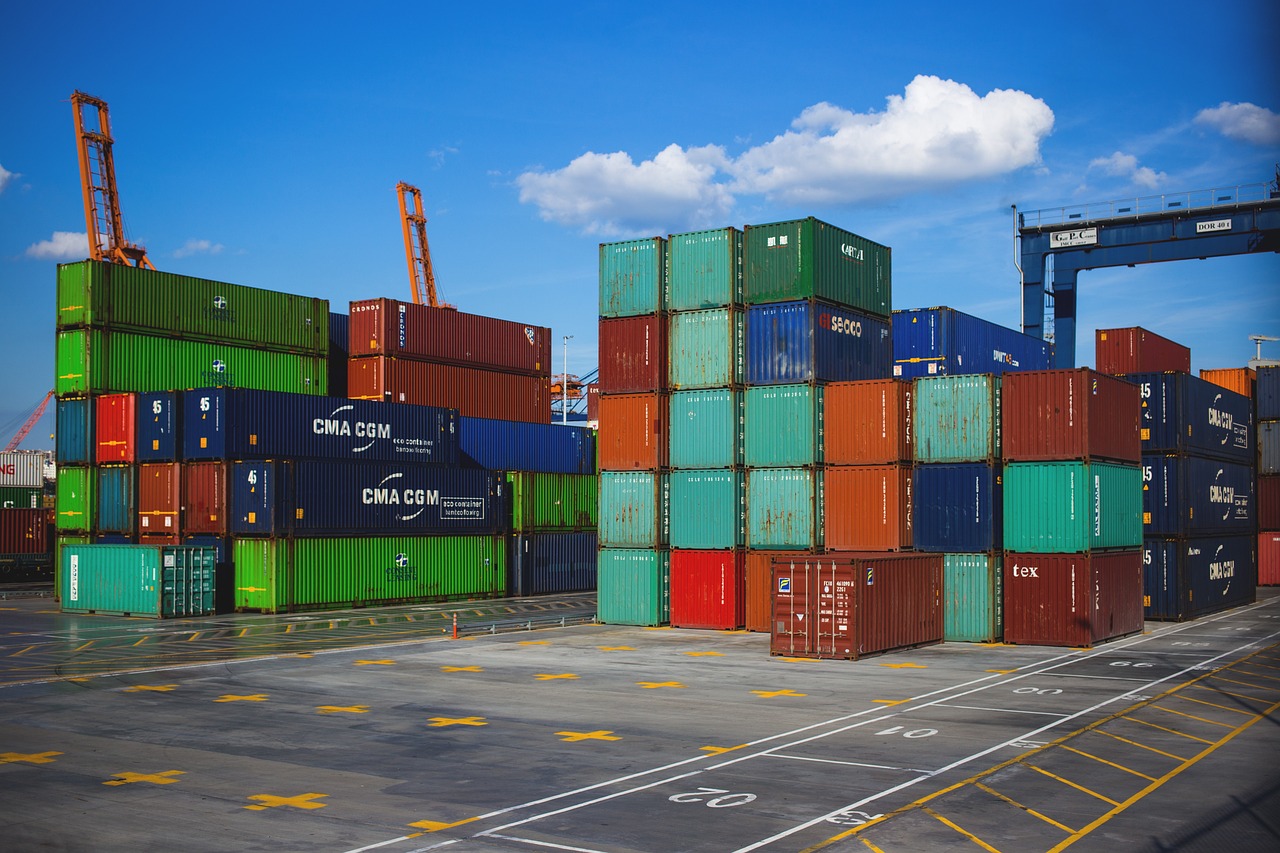


Trade as a concept transcends borders; however the principles of trade are more than just concepts—they are the driving forces behind the efficiency of nations. When we trade, we focus on what we do best and exchange the results for things we need but cannot produce ourselves. Such specialisation allows us to be more productive, encouraging the division of labor and ultimately creating wealth.
Almost any nation, regardless of its natural resources, can achieve prosperity by developing a specialisation. This might be guided by comparative advantage —factors like climate or geography — but even the simple act of dividing labor can create opportunities for trade. To grasp why comparative advantage should be the focus of trade policy, it’s essential to explore what it is, how it differs from absolute advantage, and the profound impact it has on international trade.
Comparative Advantage vs. Absolute Advantage
At its core, absolute advantage refers to the ability of a country (or individual) to produce a good more efficiently than another. This means using fewer resources or producing more output in the same time frame. For instance, if Country A can produce 1,000 cars a day using 500 workers, while Country B can only produce 800 cars with the same number of workers, Country A has an absolute advantage in car production.
However, comparative advantage goes deeper, focusing on the opportunity cost of production. This concept, first introduced by economist David Ricardo in the early 19th century, suggests that even if one country has an absolute advantage in producing multiple goods, it should still specialise in the goods where it has the lowest opportunity cost. In other words, a country should produce what it sacrifices the least to produce, not necessarily what it produces most efficiently in absolute terms.
An Illustration: Why Comparative Advantage Matters
Consider two countries: China and the United States. Let us assume, China is highly efficient in manufacturing electronics and also capable of producing pharmaceuticals. The United States, while capable of producing both, excels in pharmaceuticals and is less efficient in electronics compared to China.
Let’s break down the numbers:
- China: Can produce 200 units of electronics or 100 units of pharmaceuticals.
- United States: Can produce 120 units of electronics or 80 units of pharmaceuticals.
In this scenario, China has an absolute advantage in both goods, but that doesn’t necessarily mean it should produce both. The key lies in opportunity cost:
- For China, producing one unit of electronics costs 0.5 units of pharmaceuticals (since 200 electronics/100 pharmaceuticals = 2:1 ratio).
- For the U.S., producing one unit of electronics costs 2/3 of a unit of pharmaceuticals (120 electronics/80 pharmaceuticals = 3:2 ratio).
Despite China’s absolute advantage in both areas, the U.S. has a comparative advantage in pharmaceuticals because it sacrifices fewer electronics per pharmaceutical produced. Conversely, China has a comparative advantage in electronics because it sacrifices fewer pharmaceuticals per electronic produced.
The Power of Specialisation and Trade
When countries focus on their comparative advantages, they can specialise in producing goods where they are relatively more efficient. This specialisation allows them to trade and achieve better overall outcomes. By trading, both countries can obtain more of what they need at a lower cost than if they tried to produce everything domestically.
For example, if China specialises in electronics and the U.S. specialises in pharmaceuticals, they can trade to obtain the other good more cheaply. China, by exporting electronics to the U.S., can import pharmaceuticals at a lower cost than producing them domestically, and vice versa. This trade not only leads to greater efficiency but also promotes innovation, as countries focus on industries where they are most competitive.
Why Comparative Advantage Should Be the Focus
Focusing on comparative advantage is crucial for several reasons:
- Maximising Economic Efficiency: By specialising in goods where countries have a comparative advantage, global resources are used more efficiently, leading to higher overall productivity and economic growth.
- Enhancing Global Wealth: Comparative advantage encourages countries to engage in trade, which allows all trading partners to enjoy a higher standard of living than they would in isolation.
- Promoting Innovation: Specialisation often leads to increased expertise and innovation in specific industries. As countries focus on their comparative strengths, they invest more in research and development, leading to technological advancements that can benefit the global economy.
- Mitigating Trade Imbalances: By focusing on comparative advantages, countries can address trade imbalances more effectively. When each country specialises and trades according to its strengths, the global trading system becomes more balanced and sustainable.
- Encouraging International Cooperation: Comparative advantage fosters interdependence among nations, which can lead to stronger international relationships and cooperation. As countries rely on each other for goods and services, they have a vested interest in maintaining peaceful and stable trade relations.
A Strategic Imperative
In a rapidly changing global landscape, where economic competition is fierce and resources are finite, understanding and applying the principle of comparative advantage is not just an economic theory—it’s a strategic imperative. Countries that recognise and act on their comparative advantages are better positioned to thrive in the global economy, ensuring long-term prosperity for their citizens. By focusing on what they do best and engaging in mutually beneficial trade, nations can unlock the full potential of their economies, driving innovation, efficiency, and wealth creation on a global scale.
 Crossroads Chronicles
Leave a comment